
Story
Felder's Drought Defense
Whether from the sky or hose, water can make or break our gar- dens. Yet, not to over- state the obvious, it does plants little good to be in a state that gets sixty inches of rain a year, when much of it comes down by...
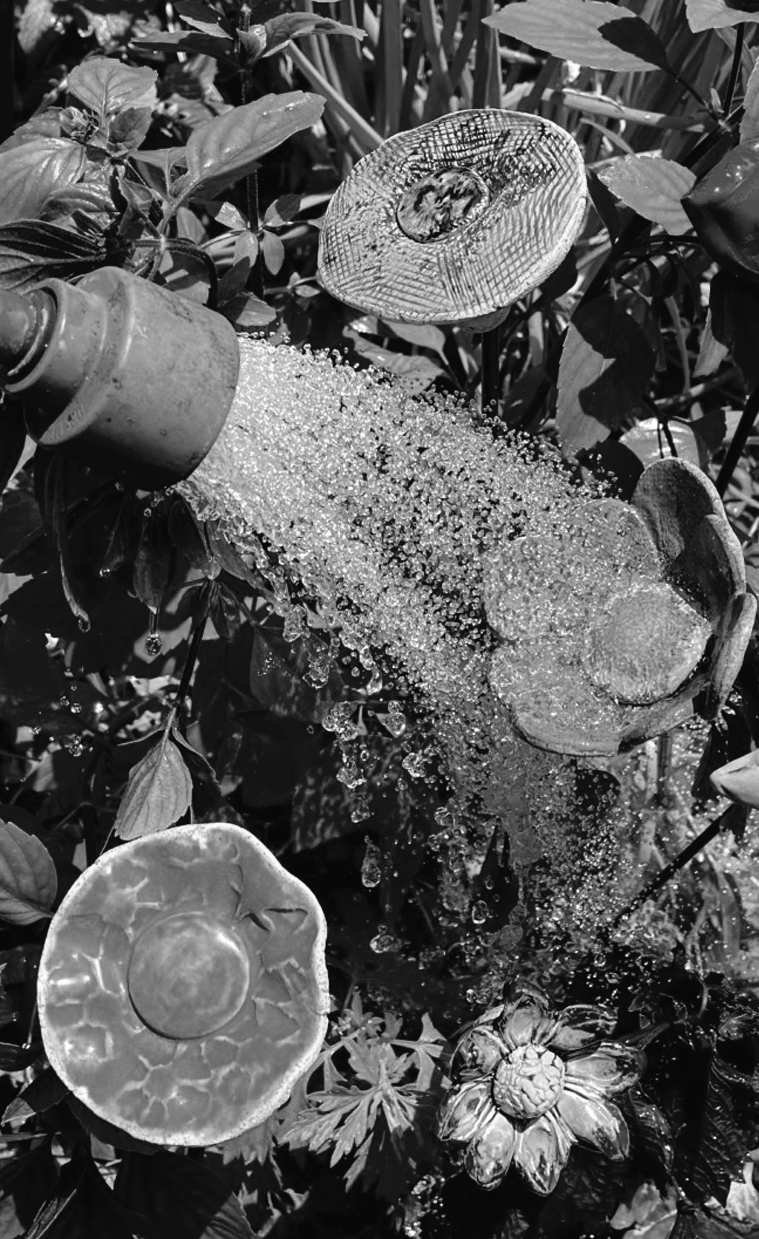
Whether from the sky or hose, water can make or break our gar- dens. Yet, not to over- state the obvious, it does plants little good to be in a state that gets sixty inches of rain a year, when much of it comes down by the bucket load one day and then we can go two months or more without any at all. And Granny's old rain barrel and dipper gourd can't always cope.
Most established landscapes can get by most years, but even I have lost plants from prolonged drought. A single deep soaking once a month could have saved my magnolia and decades-old cleyera shrub. But I ignored this and lost valuable old plants.
Shrub and flower beds that are dug deep but with enough added organic matter to fluff them slightly higher than the soil around them, can prevent plants from drowning in heavy rains, but do best with a monthly soaking in dry spells. Of course, formal raised beds and large containers need water- ing more frequently, depending on their size and soil composition. My own potted plants can go a week or more even in summer because I add peat moss to the soil to hold water longer, plus I mulch the surface with bark to reduce water wicking in the sun.
Because dry soil is often "hydropho- bic" and repels water, my main trick is to water everything twice, a few minutes apart. First watering causes the soil to swell a bit, then the second really soaks in. Soaker hoses under mulch work well in raised beds, but for individual containers consider using a simple "drip" irrigation system, now readily available in garden centers and big box stores and easy to install.
They are best used two or three times a week to keep soil moist rather than letting plants go dry between soakings. I sometimes sink plastic drink bottles with tiny holes in the bottom beside big plants and fill as needed. If you value yours as more than just a flat "mow what grows" space, understand that our common Asian turf grasses require a deep soaking at least every three or four weeks lest they "brown out" or become unable to pro- duce healthy new growth, making them thin and more suscepti- ble to weeds which thrive on less.
Once a month is minimum. But for you who invest in an irrigation system, it is a horticul- tural fact that watering the lawn a few minutes at a time, two or three times a week, is a mis- take which causes roots to remain shallow and dependent. Reprogram it to come on a couple of times, an hour or so apart to get it down deep, just once every week or two, then let it go.
This is MSU Turf Management 101. Lastly, I must also emphasize that our most important garden wildlife, including song birds, butterflies, bees, frogs, and lizards depend on clean water. No good gardener should be without a small pond (even above ground), birdbath, or even a trash can lid turned upside down.
If you clean and refill every week or so, you can forget about mosquitoes, which we have anyway. My approach to all this is to grow mostly stuff that doesn't require frequent watering in the first place. The over- stuffed cottage garden, which goes for months without watering, fea- tures an astonishing assortment of flowering shrubs, bush-type roses, small trees, vines, hardy perennials, and a few annuals that have man- aged to survive for decades in hose-less country gardens and cemeteries, without any supplemental water at all.
If you would like my free list, email me at felderrushing.blog.