
Story
Felder's Fertilizer Facts
Page A6 Friday, June 26, 2026 HINDS COUNTY Poor roses, poor tomatoes, being starved by folks who think gim- micky home-made fertil- izer solutions make much difference! Internet sites where gardeners gather are buzzing...
Page A6 Friday, June 26, 2026 HINDS COUNTY Poor roses, poor tomatoes, being starved by folks who think gim- micky home-made fertil- izer solutions make much difference! Internet sites where gardeners gather are buzzing with misin- formation, much based on overblown myths spread by experts who repeat feel-good memes without digging into actual research to ensure they are accu- rate. Though usually started with a grain of truth, however sketchy or taken out of context, many have been debunked for decades.
Far be it for me to try stopping anyone from following their own hopeful bliss, as long as it is not actually harm- ful. But, while being open-minded and always relieved to learn any- thing new, I dig deep when seeking horticul- tural truths. Not going to get into easy stuff like plant- ing marigolds and aro- matic herbs to repel gar- den pests and mosqui- toes, planting by the moon yielding better crops, grits to kill fire ants, purple martins eating mosquitoes, nan- dina berries killing birds, or goldenrod causing allergies.
None of which is true enough to make a whit of differ- ence. Yes, just like truly wanting to believe the groundhog in February, in spite of wishing otherwise, I am very sure of all this and can back it with real evi- dence based on replicat- ed science and decades of observation. I'm just not going to argue with folks who swear other- wise.
Just as I knew better than raise my kids on healthy lettuce alone, when it comes to provid- ing plants with the nutrients they need to grow well, let's stick mostly with what they actually need. Plant growth requires certain ele- ments, mostly nitrogen, phosphorous, and potassium, and to a lesser amount of calci- um, iron, zinc, copper, magnesium and a hand- ful of others. As anyone who has not fed their potted rubber tree or azaleas for years can attest, they can grow a long time without these essential nutrients, but nowhere near what they could, or should do.
Meanwhile they are sus- ceptible to all sorts of problems they could normally fend off. Commercial fer- tilizers usually contain varying amounts of the first three, but because phosphorous and potas- sium last a long time, only nitrogen needs to be applied every year; adding more just causes buildup and problems. I have seen all this first- hand from years of test- ing soils for MSU Extension Service.
Best to use a fer- tilizer with all three every two or three years, and a mostly short-lived nitrogen type the other times. No need for spe- cific numbers, just fol- low the concept, and don't overdo it. And keep in mind that though there are huge benefits in feeding soil overall with microbe-rich compost, manure, and other soil amendments and nutri- ent-rich organic fertiliz- ers, plants absorb nutri- ents, even the carbon and oxygen in water, on a molecular level, and cannot tell whether you use synthetic (chemical) or all-natural.
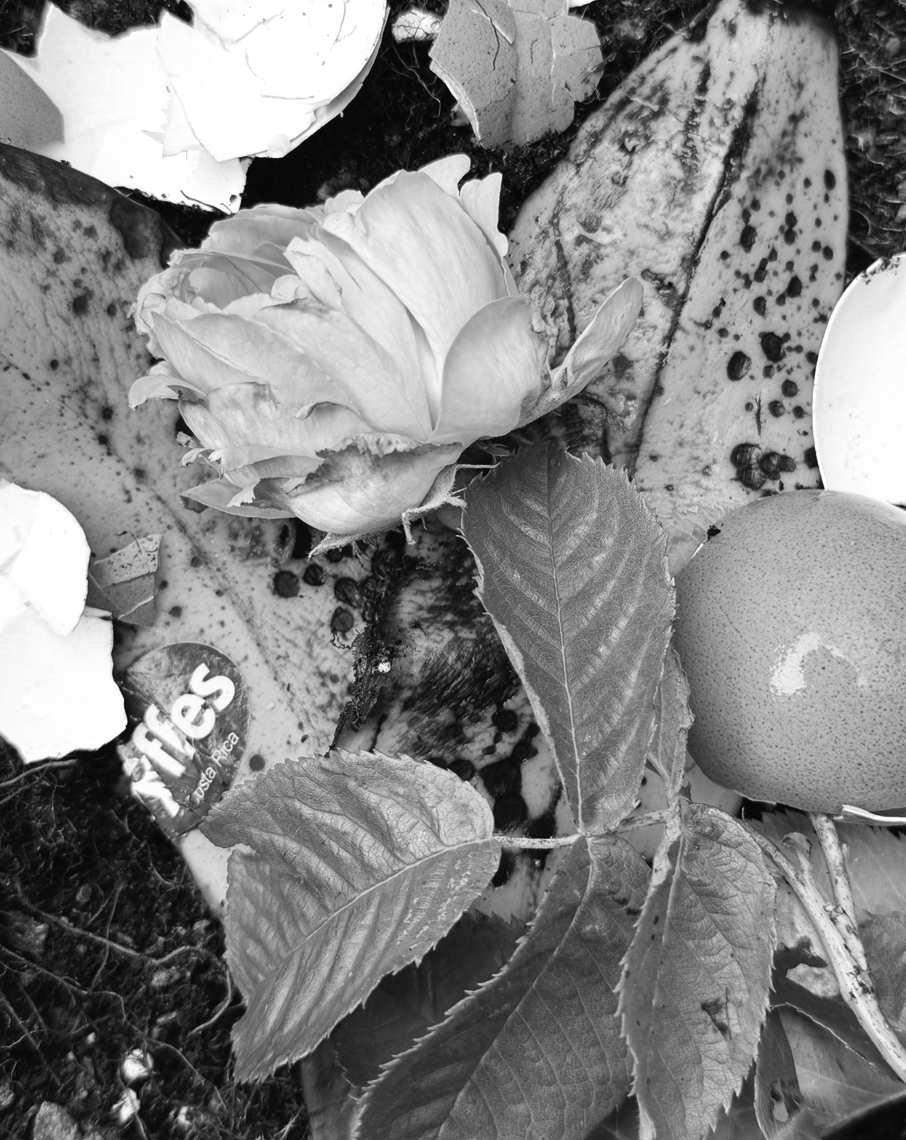
Really. All that said, and knowing some folks swear otherwise based on anecdotal experience, it is a fact that bone meal alone is not a com- plete bulb food. Epsom salts, banana peels, cof- fee grounds, and teas made from all those things are not magical, do very little on their own to actually help plants.
It takes eggshells years of being exposed to soil acids (or soaked in vinegar) to release calci- um in a plant-useful form. To release their relatively small amount of useful nutrients, they all have to be broken down in soil or compost, which can take months. Rather than use directly, just dig them in, and they will eventually work.
Meanwhile, your plants need help, and depend on you to get it to them in the amounts and forms they can actually use. Don't starve them with too- easy DIY myths. FELDER'S FERTILIZER FACTS