
Story
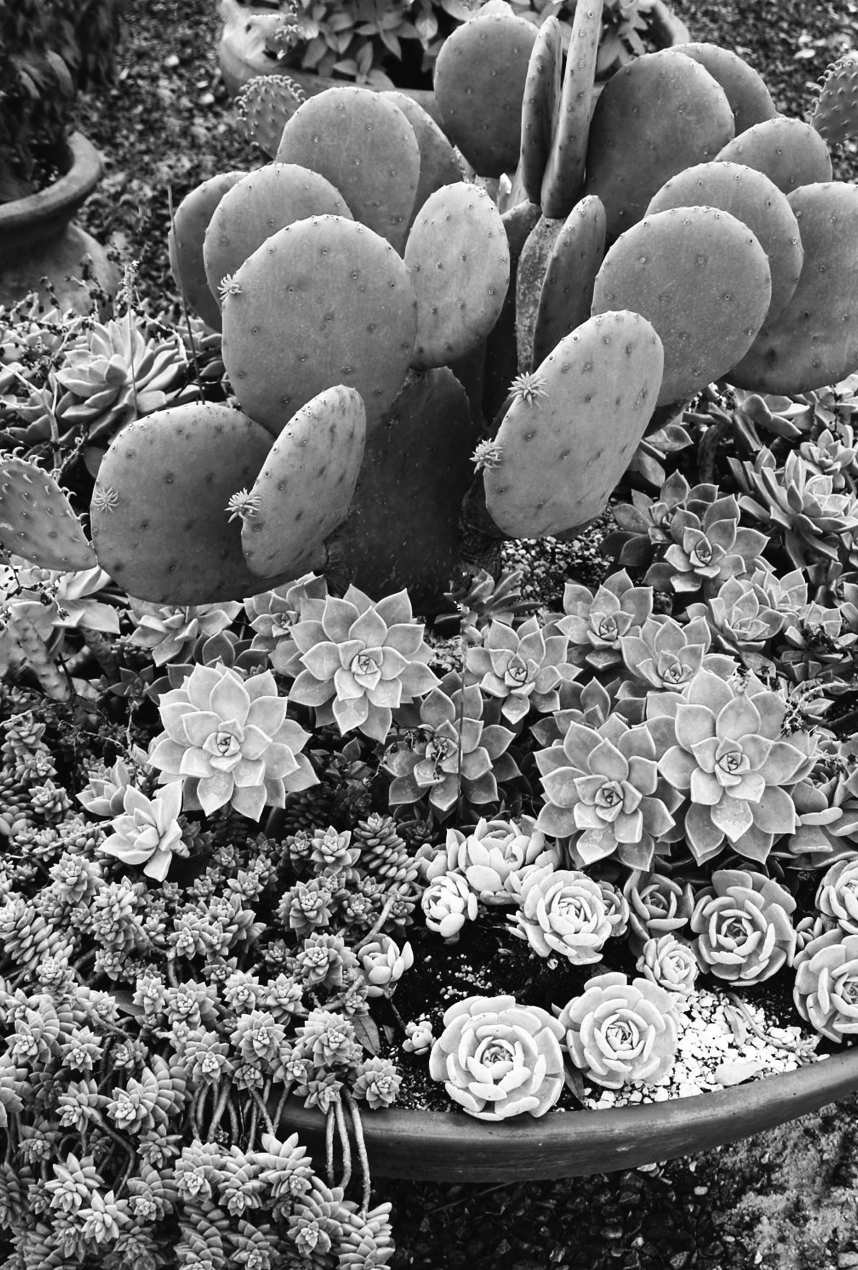
Felder's Prickly Paradise
Looking for an attention-grabbing new direction in your garden? I'm doing a makeover of a corner of my front yard featuring exotic-looking but perfectly hardy cacti and succulents. I know this group of plants is...
Looking for an attention-grabbing new direction in your garden? I'm doing a makeover of a corner of my front yard featuring exotic-looking but perfectly hardy cacti and succulents.
I know this group of plants is polarizing to some folks, but I grow lots of different kinds, partly for how their unique appearances keep my horticultural interest piqued, and partly because they are nearly zero care, and tolerant of weather extremes which is getting more important in our changing climate.
Quick FAQ: A cactus is a succulent, but not all succulents are cacti; many do not have thorns or sharp leaf tips. Some, like Granny's night blooming cereus and my collection of Sansevierias, are tropical and frost-sensitive, and have to be brought indoors in the winter, while others are native all the way up into Canada and can take any weather thrown at them. Only thing they all have in common is the ability to store water in their stems or leaves to get them through dry times.
My extensive collection includes an astounding array in an astonishing array of shapes, sizes, foliage, and flower colors. Some prefer full sun; others need light mid-day shade in the Dog Days to protect them from our humidity-intensified sunlight. Most can get root or stem rot from our heavy winter rains; to get around this, I grow them in containers or in raised beds with extra perlite or coarse gravel worked into the soil. And I never - ever - water them, even all summer.
Trouble is, very few stores separate the hardy kinds from those too tender to survive our summer humidity and rain, and winter cold. It's confusing when garden centers push them all together based just on their being succulents. It's like treating all pets alike.
So, after many years of running different succulents through my acid test trials, including in the garden planted in the back of my old pickup truck, I've found nearly two dozen that will grow outside, tolerating our heavy rains, summer heat with no water for weeks, and even hard winter freezes.
My favorite survivors for growing outside all year in containers or in well-drained garden soil include common prickly pear (I grow a thornless variety), giant "century plant" agave, two smaller dwarf agaves (parryi and variegated lopantha), dwarf soft-tip yuccas including the popular golden variegated kinds, red-flowering yucca (Hesperaloe), hedgehog and powder puff cactus (both native to Oklahoma), gray-leafed Southern hens and chicks (Graptopetalum), northern hens and chicks (Sempervivum), and many super cold hardy sedums including dragon's blood, Blue Spruce, Chinese stonecrops (Sedum tetractinum), the old garden standby gold moss sedum, and Autumn Joy which is a large, commonly-grown perennial heirloom that dies down in the winter.
I have others, of course; to see some of them in garden settings go to felderrushing.blog, scroll down and in the searchbox type the word succulents. Lotta photos of the ones we can grow here, plus tips on how to design with and grow them.
You will notice that I mix and match them for interesting vignettes, including upright and cascading in the same pots, just like regular flowers. And I plant dwarf winter bulbs and small flowering summer plants including trailing lantana, perennial salvias, turk's turban, tropical milkweed, dwarf nandina, Texas sage shrub, celosia, and gaura that don't need much water with them.
And of course I accessorize, as with any good garden, mostly with low, wide pots, rocks, and interesting driftwood, all which help create an all-year eye-catching scene.
Main thing is the many different succulents are amazing and easy; all fit my low-input garden style.