
Story
Unsung Heroes of Election Night: Wire Service Reporters Count the Votes
They represent a rare breed of driven individuals working in laborious newsrooms, folks capable of handling cauldron-level pressure while jamming numbers and updates into phones, keyboards and microphones to record...
They represent a rare breed of driven individuals working in laborious newsrooms, folks capable of handling cauldron-level pressure while jamming numbers and updates into phones, keyboards and microphones to record America's most preciously-gained and important commodity, the vote.
They're like sportswriters sweating and dripping blood from their fingers in the press box, facing an 11 p.m. deadline. It's 10:45 and the game still has five minutes left and one team is seven points behind, but inside the opposition's 20-yard-line (will they go for two?). The writers have a smooth, creative "lede" paragraph set, but it may require reworking.
These political writers know that same pressure and the state's voting precincts and poll managers by heart, or they'd better if they're to garner the final tally.
What they're going to do is stay up all night on 11-3-26, if necessary, to bring the midterms' results to the nation with accuracy. This effort will continue into the wee hours of The Morning After, when career aspirations of wannabe lawmakers have either been celebrated or shattered on the barroom floor.
I'm talking about wire-service reporters who clearly rank among the most unsung performers on the big national election media scene, awaiting the avalanche of vote totals that must properly be presented to the eagerly waiting public through myriad mediums.
Used to be, there were several enterprises that recorded these vital counts. Most observers of live news gathering recognize the singular, supreme survivor, the Associated Press, which operates bureaus in most state capital cities.
United Press International was for years the AP's only real competitor, selling news and election results to newspapers and electronic media outlets 24/7/365.
I worked for daily newspapers across Mississippi and other states that were customers of both AP and UPI. Their ranks included some of the state's and nations most illustrious journalists who toiled between my working years of 1970-2009 for AP and UPI in Jackson, Memphis and other posts.
I am tied to them through my own memory, but also to my reporter-father. These folk spent decades compiling vote totals with and for many people like my dad who were back at the newspaper office, readying the results for the public's examination.
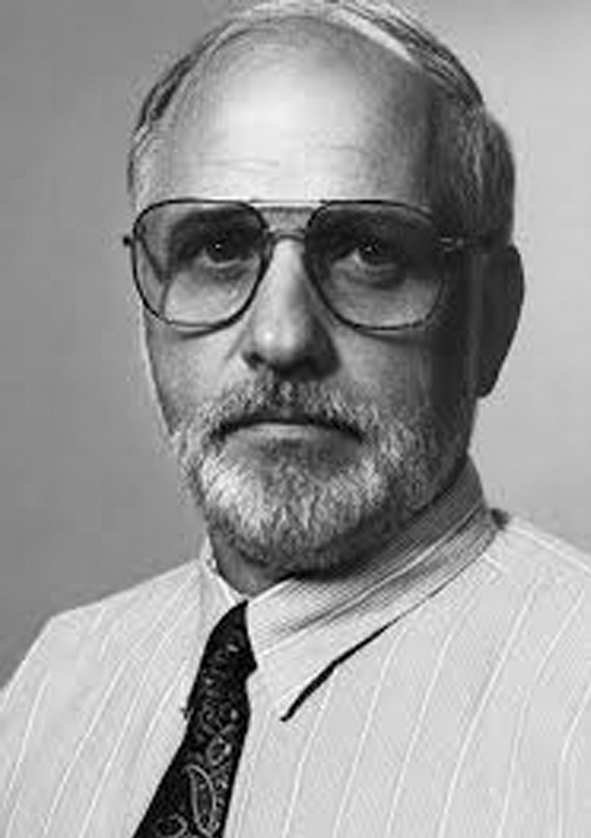
It was a recent Facebook post concerning one of the giants in the wire-service reporting trade, the late Ron Harrist of the AP, a Brandon resident that spurred this remembrance. Harrist died in 2020 after four decades with the AP, covering elections, natural disasters, racial strife, and college football and beyond.
Mississippi Today editor Emily Wagster-Pettus, a former colleague of Harrist's at AP, posted recently how "(Harrist) could get almost anyone on the phone at any odd hour, and he usually could get them to talk." This was necessarily part of the job, or the story would be lacking. "Lacking" is foreign to the Associated Press.
Said Anita Lee of the Biloxi Sun-Herald: "If I needed something, he was always there to help."
And Vicksburg Post-Herald editor Karen Gamble: "Ron was the best." Added Nannette Lester of the Grenada Star: "I miss those days of hearing his voice at the other end."
Former editor-reporter Charlie Mitchell, now teaching the craft at Ole Miss, said of Ron: "My hero on many occasions."
Ruth C. Ingram, a retired Clarion Ledger journalist, recalled: "I miss years of Ron answering the phone and saying, 'Hey, Ruthie.' I miss Ron."
Greenwood and Jackson reporter-editor Jenny Humphries Gaines, summed it up about Ron Harrist: "Ron was definitely one of a kind and of the best newsmen I ever knew."
All are correct.
Mac Gordon is a native of McComb. He is a retired newspaperman. He can be reached at macmarygordon@gmail.com.